By 2030, industry is projected to face more than 85 million unfilled roles worldwide. It's easy to read that number as a staffing problem. Spend time on a petrochemical site, a refinery, or a substation, and you start to see it differently: the roles going unfilled fastest are the ones nobody should have had to fill with a person in the first place.
Why the labour gap is a safety problem too
Toxic gas pockets, explosive atmospheres, confined spaces, extreme heat — these environments have always struggled to attract and retain skilled workers, for good reason. As experienced crews retire faster than they're replaced, the sites that depend on routine, high-risk inspection work are the ones running out of road first. That's not a workforce gap that better recruiting solves. It's a workforce gap that better engineering solves.
Explosion-proof machines for the hardest rooms in the plant
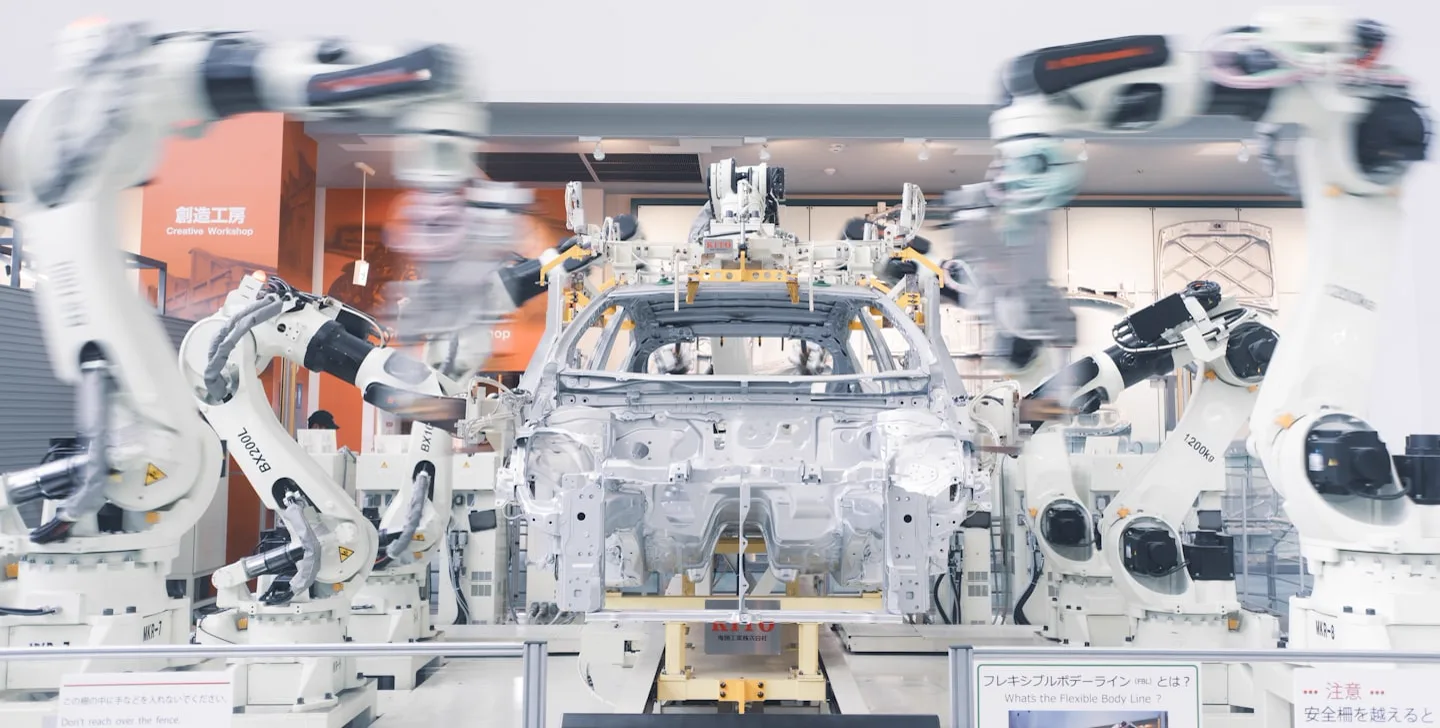
Our Ex-certified ground suite — quadruped, wheeled and track-hanging platforms — was built specifically to take over the inspection loops that put people in explosive gas environments every shift. Ex-proof PTZ cameras and gas sensors stream data back through real-time edge computing on the robot itself, so a plant gets continuous coverage of transformer banks, pipelines and switchyards without a technician standing in the blast zone to collect it.
A single dashboard for a mixed fleet
None of this works if it creates four new problems for every one it solves. That's why every platform we deploy — ground, marine or aerial — reports into the same Joint Inspection Center. One command dashboard, one real-time digital twin, one place for a human supervisor to make the call. Robots take on the exposure; people keep the strategic decisions.
The goal was never a plant with no people in it. The goal is a plant where the only people in the hazard zone are there by choice, not by roster.
What this means for site operators
For operators staring down retirements, skills shortages and a labour market that isn't refilling the riskiest roles on its own, the practical answer isn't waiting for more people to want dangerous jobs. It's re-scoping which jobs need a person standing in the hazard zone at all — and building the connectivity and command layer to supervise the machines that replace that exposure, not the worker's judgement.
That's the fleet we've spent the last several years building. If your site is running short on people willing to do the riskiest rounds, we'd like to show you what a shift looks like when a robot does them instead.