Surface & subsea

Robots that work below the waterline

Surface and subsea platforms inspect hulls, pipelines and structures and clean biofouling without dry-docking the ship, supervised from the same dashboard as the rest of your fleet.

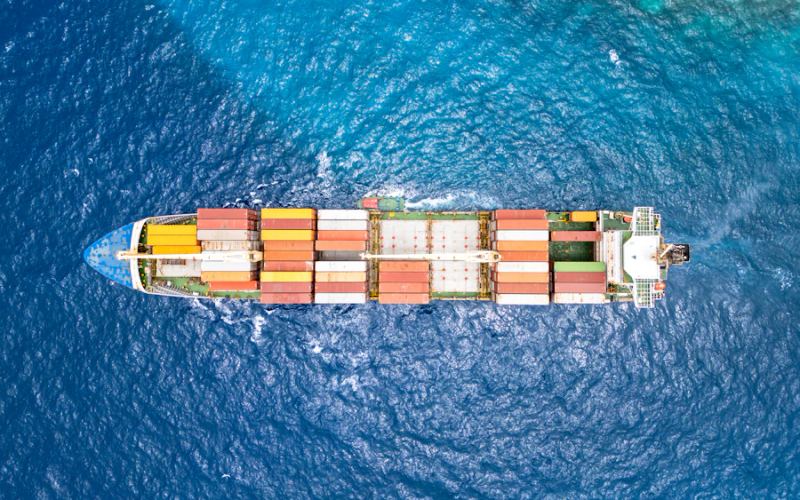
A container ship at sea, seen from above
Container ship under way at sea, seen from above

Without dry-docking

The ship stays in the water

Inspection and cleaning happen alongside the vessel or structure, so hulls, pipelines and dam walls are inspected, and hulls cleaned, without dry-docking the ship.

  • Holds station in current. Station-keeping and manoeuvring that holds steady in 3-knot currents, so missions finish in the conditions they started in.
  • Relative navigation. Precise positioning relative to hulls, structures and moving vessels, not just a point on a chart.
  • One chassis, several jobs. HD imaging, a manipulator arm and cavitation cleaning attachments swap on the same platform.
  • 6-DOF omni-directional
  • Formation control
  • Natural-gas grade sealing

Six core systems

Built for where the ocean pushes back

Orion marine platforms are engineered around six core systems, from drivetrain to launch and recovery.

  • Advanced power

    Drivetrain engineering that delivers 3x speed and 25x component lifespan compared with conventional subsea propulsion.

  • Fluid control

    Station-keeping and manoeuvring that holds steady in 3-knot currents.

  • High-fidelity sensing

    Twice the clarity and range in murky water, turning zero-visibility inspections into usable engineering data.

  • Relative navigation

    Positioning relative to hulls, structures and moving vessels, not just a point on a chart.

  • Waterproof sealing

    Natural-gas grade sealing keeps electronics dry through long subsea missions, with depth ratings confirmed per configuration.

  • Dynamic deployment

    Launch and recovery streamlined to one-tenth the setup time, so the robot is working while others are still rigging.

The platform

One hull robot, several jobs

One platform for inspection, manipulation and hull cleaning, configured for the vessel and the depth.

A container ship at sea, seen from above

Marine general robotics

Subsea & surface hybrid

A twin-thruster hybrid that holds station against current, tracks a moving hull at close range and swaps between inspection and cleaning attachments.

  • 300 m depth
  • 3–4 knot current resistance
  • Up to 3,500 m²/h cleaning
Product type
Marine general robotics
Motion control
6-DOF omni-directional
Operating depth
0–300 m
Current resistance
3–4 knots
Cleaning efficiency
Up to 3,500 m²/h
Sealing standard
Natural-gas grade
Navigation
Dynamic target-relative localisation
Cooperative control
Formation control supported
Sensors & payloads
HD imaging, manipulator arm, cavitation cleaning attachments

Published specifications for a typical configuration. Final figures depend on the configuration and site; we confirm them during scoping.

A container ship at sea, seen from above

Biofouling removal

Clean hulls, measurable fuel savings

Hull-cleaning robots with 720° movement work vessels from 100 to 300,000+ tonnes, restoring smooth hulls without dry-docking the ship.

  • 720° movement. Full-freedom locomotion follows every curve of the hull, from flat plate to bulbous bow.
  • 10–20% direct fuel savings. A clean hull cuts drag, and the fuel bill, on every voyage that follows.
  • Compliance reporting built in. Documentation aligned to frameworks such as the NZ CRMS comes standard with every clean.
  • 720° movement
  • 100–300,000+ t vessels
  • 10–20% fuel savings

Joint Inspection Center

Supervised from one dashboard.

Subsea video, positioning and cleaning progress stream to the Joint Inspection Center, so the supervisor on shore sees what the robot sees.

See the digital twin
  • Digital twin synthesisA real-time 3D view of the plant, not just a camera feed.
  • Mission orchestrationRehearse in the twin, then dispatch the real fleet.
  • Smart Edge AlarmsFaults, corrosion and gas escalated to a person.

Book a live demo

Put the marine fleet to work

Subsea inspection or hull cleaning: tell us the vessel and the depth and we will scope the platform.